
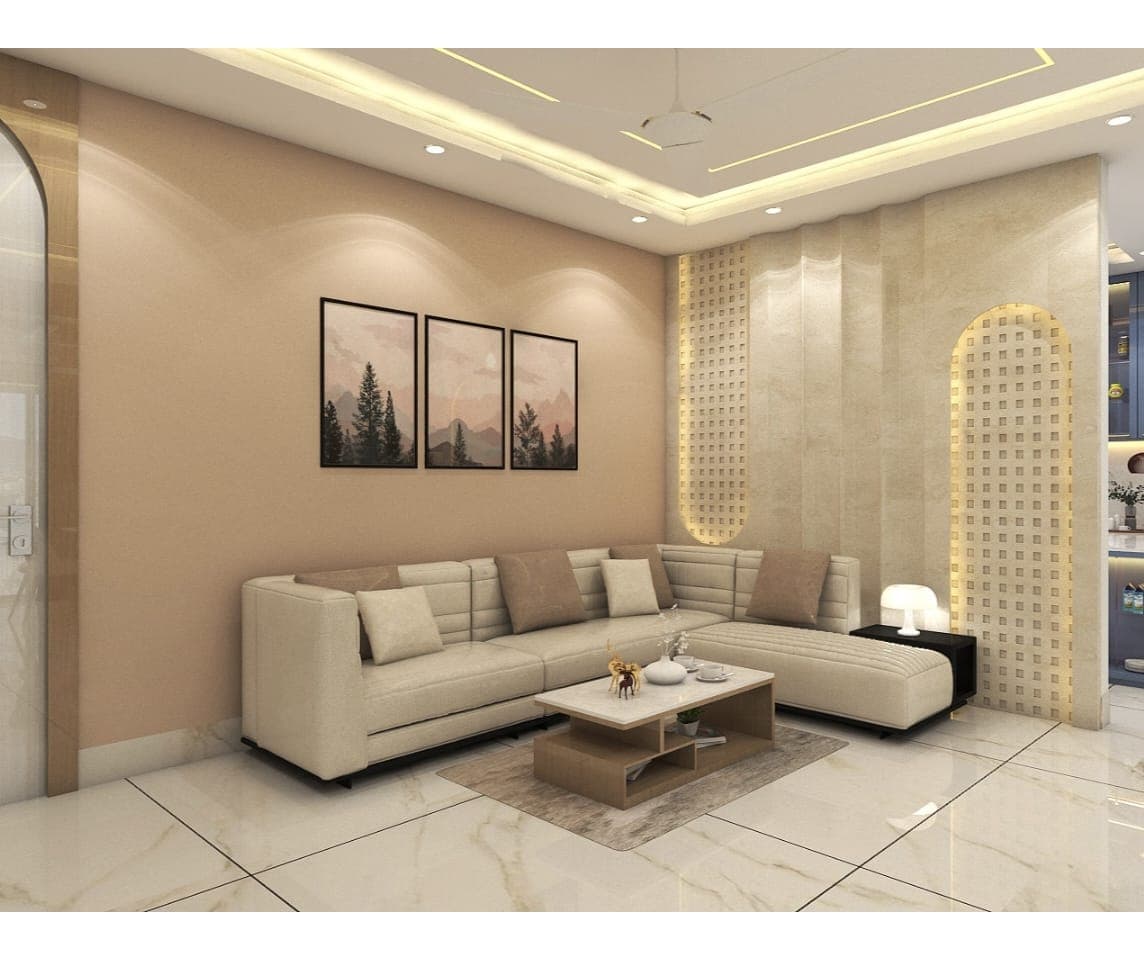
You have bought or renovated a flat in Kolkata, and now comes the question every homeowner faces: who should actually do the interiors? Three options keep coming up: a turnkey interior company in Kolkata, a local interior contractor, or an independent interior designer in Kolkata. They sound similar, but cost, control, timeline, and stress levels differ.
This guide explains how each option works, where the money really goes, what is specific to Kolkata homes, and how to choose without regret.
The Short Answer
Choose turnkey interiors if you want one team accountable for design, materials, execution, and handover, and you do not have time to manage vendors.
Choose a contractor if your scope is small and clear, you already know exactly what you want, and you can supervise the work yourself.
Choose an independent interior designer if you want a highly customised design and are happy to coordinate separate vendors for execution.
The rest of this article helps you decide which option fits you best.
What Is a Turnkey Interior Service?
In a turnkey project, one company handles everything from the first site visit to the final handover: space planning, 3D designs, material selection,
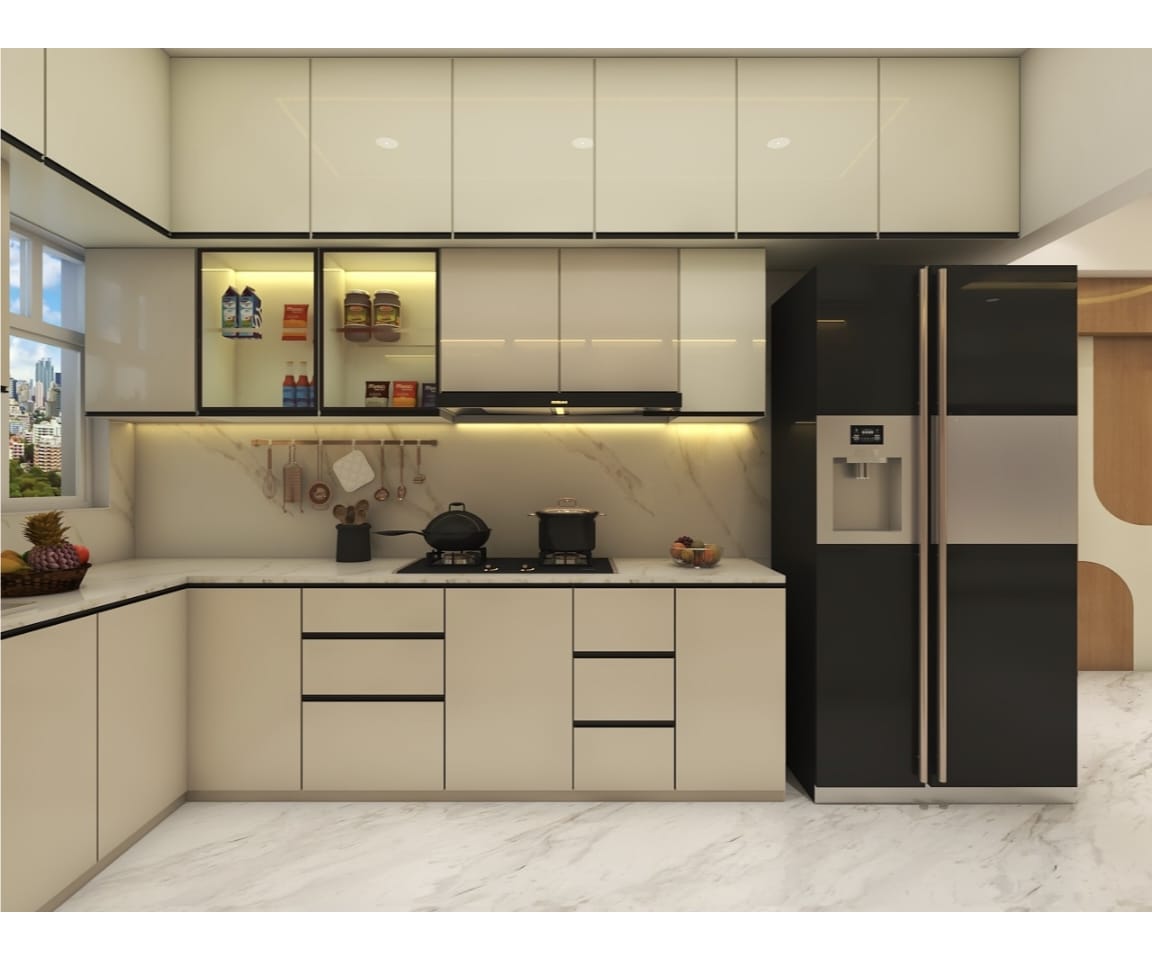
carpentry, modular kitchens, wardrobes, electrical and lighting work, painting, false ceilings, furniture and finishing. You get the “key” to a finished home. For a full home interior in Kolkata, this is the most hands-off route.
What you get
One point of contact and one contract
Design and execution under the same roof, so the drawings match what gets built
A defined timeline and a payment schedule linked to milestones
Warranty and after-service from a company that stays in business
What to watch for
Packages can push standard catalogues and limit customisation
Cheaper quotes sometimes exclude electrical points, civil changes, or hardware, which show up later as extras
You are paying for project management, so the quote is rarely the lowest on paper
What Does an Interior Contractor Do?
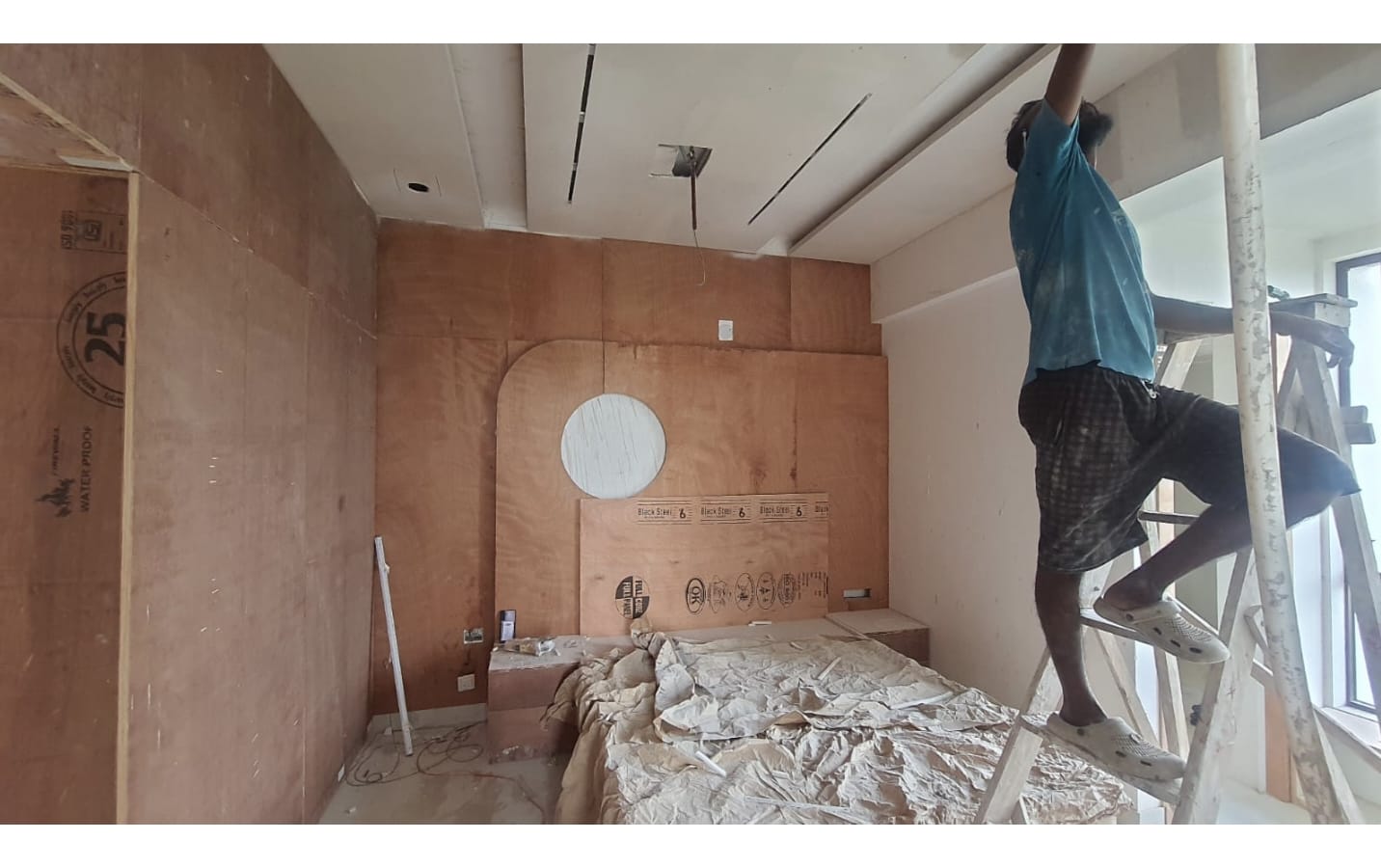
A contractor, often a civil or carpentry contractor, executes the work. You or someone you hire provides the design, and the contractor builds it using their own labour (karigars) and the materials you agree on.
What you get
Usually the lowest quoted price
Flexibility to change things on the go
Good value for simple jobs such as a wardrobe, a false ceiling, or repainting
What to watch for
Design is often informal: a sketch or a conversation, not detailed drawings
You manage the schedule, material quality, and coordination between carpenter, electrician, and painter
Disputes are hard to settle without a written scope, a bill of quantities, and clear brand specifications
Warranty and after-sales support depend entirely on the individual
What Does an Independent Interior Designer Do?
An independent designer focuses on concept and design: layouts, mood boards, material and colour palettes, 3D visuals and detailed working drawings. Some also supervise execution for a fee; others hand over the drawings for you to execute through contractors.
What you get
A design that reflects your taste and lifestyle rather than a standard template
Careful planning of lighting, storage, and layout
Expert guidance on materials and finishes
What to watch for
Design fees are separate from execution costs
If third-party vendors execute the work, accountability can get blurry when something goes wrong
Quality varies enormously: ask to see completed projects, not only renders
Turnkey vs Contractor vs Designer: Side-by-Side Comparison
Design quality
Turnkey: Good, often structured
Contractor: Basic or none
Independent designer: Highest customisation
Who executes
Turnkey: The same company that designs
Contractor: The contractor’s own team
Independent designer: Separate vendors, or the designer supervises
Your time and effort
Turnkey: Low
Contractor: High
Independent designer: Medium to high
Price control
Turnkey: Fixed scope with milestone payments
Contractor: Lowest upfront, but costs can drift
Independent designer: Design fee plus execution costs
Single accountability
Turnkey: Yes
Contractor: Partly
Independent designer: Often no
Timeline predictability
Turnkey: High
Contractor: Variable
Independent designer: Variable
After-sales warranty
Turnkey: Usually included
Contractor: Rarely documented
Independent designer: Depends on the vendors
Best for
Turnkey: Full-home interiors, busy owners and new flats
Contractor: Small jobs, repairs and simple scopes
Independent designer: Design-led homes and bespoke projects
Where the Money Really Goes: Home Interior Cost in Kolkata
Price comparisons between these three options are often misleading, because the scope is rarely the same. When you compare home interior cost in Kolkata, check these areas first:
What is included: Electrical points, plumbing changes, false ceiling, lighting, painting, wardrobes, kitchen, and furniture. A low quote that leaves these out is not low.
Materials and brands: “Plywood” and “laminate” are not enough. Ask for the grade (such as BWP or marine ply), thickness, brand, and hardware make.
Civil work: Demolition, re-flooring, waterproofing, and wall changes can significantly affect the total.
Taxes: Confirm whether GST is included.
Design and project management fees: Designers charge these openly; contractors fold them into the price; turnkey companies include them in the package.
Variations: Ask how mid-project changes will be priced and approved in writing.
A useful habit: ask every provider to quote on the same written scope. Only then can you compare like with like.
Kolkata-Specific Things to Consider
Humidity and monsoon: Kolkata’s damp climate affects wood, laminates, and paint. Moisture-resistant boards, proper edge-banding, and good ventilation planning matter more here than in drier cities. Ask each provider which materials they recommend for your flat and why.
Apartment and society rules: Many housing societies restrict work hours, require permission for material movement, and may charge deposits. A provider who has handled such societies saves you time and friction.
Newly possessed RERA flats: For flat interiors in Kolkata in a brand-new home, you will need to coordinate with the builder on electrical points, plumbing positions, and possession snags before work begins. Check who handles this in each option.
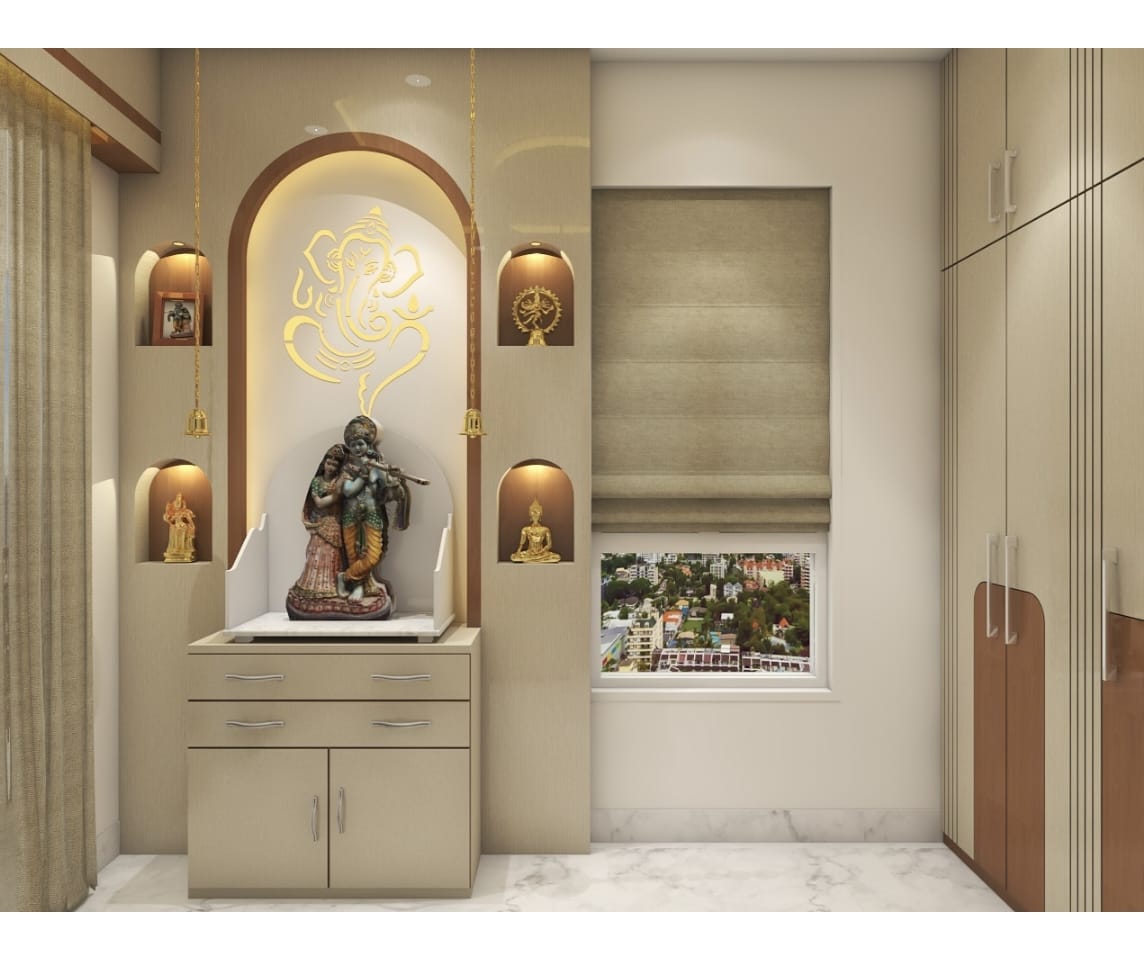
Traditional needs: A puja ghar, storage for festival items, a kitchen suited to Bengali cooking, and space for guests should shape the design, not be an afterthought.
Older flats: In older buildings in north and south Kolkata, wiring, plumbing, and wall conditions are often unpredictable. A thorough site inspection matters before any quote is final.
Which Option Should You Choose?
Go turnkey if...
You are furnishing a full 2BHK, 3BHK, or larger home
You work full-time, live outside Kolkata, or are an NRI
You want a fixed timeline, one contract, and a warranty
You would rather review designs and approve than supervise daily work
Go with a contractor if...
The job is limited: a wardrobe, a false ceiling, a repaint, or repairs
You already have the design and material list
You can visit the site regularly and check quality yourself
Go with an independent designer if...
Design is your top priority, and you want something unique
You enjoy being involved and can coordinate vendors
You have a flexible timeline and budget
A hybrid approach
Hire a designer for drawings, then ask a turnkey company or a vetted contractor to execute using those drawings as the written scope. This only works if the drawings are detailed enough to quote against.
Questions to Ask Before You Sign
Whoever you choose, get clear answers to these in writing:
What exactly is included and excluded in the quote?
Which brands, grades, and thicknesses of materials will be used?
What is the timeline, and what happens if it slips?
How are payments linked to progress?
Who supervises the site daily?
How are changes and extra work priced and approved?
What warranty is given, and for which items?
Can I visit completed projects or speak to previous clients in Kolkata?
How do you handle society permissions and clean-up?
What happens after handover if something fails?
Red Flags to Avoid
A quote far below every other one, with no itemised breakdown
Pressure to pay a large advance before design approval
No written contract, scope, or drawings
Vague answers about materials or brands
No completed projects you can visit
Reluctance to put the timeline and warranty in writing
Frequently Asked Questions
Is turnkey interior design more expensive than hiring a contractor?
The quoted price is often higher because it includes design, project management, and warranty. But a contractor-led project can cost more in the end if it needs rework, delays, or unplanned extras. Compare the total cost for the same written scope.
Can I hire an interior designer and a contractor separately?
Yes. This works best when the designer provides detailed working drawings and a material specification, so the contractor can quote against a clear scope.
How long does a full home interior project take in Kolkata?
It depends on the size of the home and the scope of work. Ask for a written timeline tied to milestones, and ask what could cause delays, such as material lead times, society restrictions, or monsoon conditions.
Do I need to be present during the work?
With a turnkey provider, regular check-ins and approvals are usually enough. With a contractor, you should visit the site often.
What should I check before paying the first instalment?
The signed contract, the itemised quote, the design drawings, the material specification, and the payment schedule.
Planning Your Interiors in Kolkata?
Kayapalat offers end-to-end interior design and project management, from concept to completion, for homes across Kolkata. If you are still deciding between options, we can review your floor plan and any quotes you already have, and explain what each approach would involve for your home.